 Q. No.
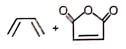
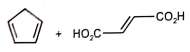
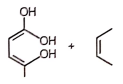
Given the reaction:
 +
+ 
Which of the following statements is correct?
1. (b) has a lesser stability
2. (b) is more volatile than (a)
3. (a) is more volatile than (b)
4. (a) forms higher yields at a lower temperature
+ 

Subtopic: Aldehydes & Ketones: Preparation & Properties |
71%
Level 2: 60%+
Hints

 2.
2. 
 4.
4. 


Subtopic: Aldehydes & Ketones: Preparation & Properties |
Level 3: 35%-60%
Hints


 2.
2. 
 4.
4. 
Subtopic: Isomers & Reaction Mechanism |
61%
Level 2: 60%+
Hints
 2.
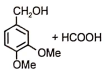
2. 
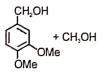 4.
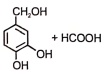
4. 
Subtopic: Carboxylic Acids: Preparation & Properties |
Level 3: 35%-60%
Hints

 2.
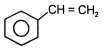
2. 
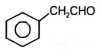 4.
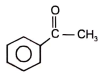
4. 
Subtopic: Isomers & Reaction Mechanism |
70%
Level 2: 60%+
Hints


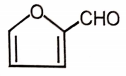 2.
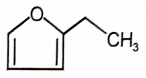
2. 
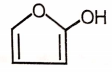 4.
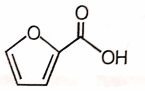
4. 
Subtopic: Aldehydes & Ketones: Preparation & Properties |
77%
Level 2: 60%+
Hints
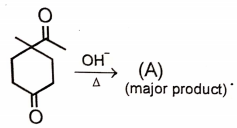
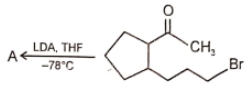
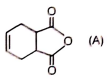
Which one of the following statements is true for the major product (A) formed in the above reaction?
1. 'A' gives positive bromine water test.
2. 'A' absorbs two moles of per mole Of compound in hydrogenation.
3. 'A' gives positive DNP test.
4. All of these
Subtopic: Isomers & Reaction Mechanism |
Level 3: 35%-60%
Hints
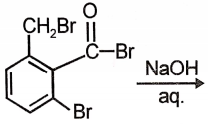
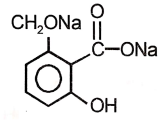 2.
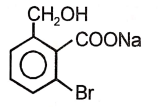
2. 
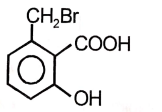 4.
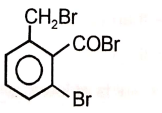
4. 
Subtopic: Isomers & Reaction Mechanism |
69%
Level 2: 60%+
Hints


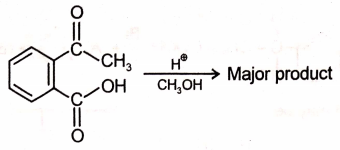
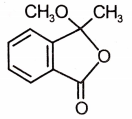 2.
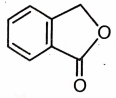
2. 
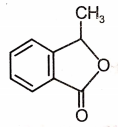 4.
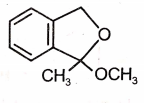
4. 
Subtopic: Isomers & Reaction Mechanism |
54%
Level 3: 35%-60%
Hints

© 2026 GoodEd Technologies Pvt. Ltd.